Presentations have become one of the most common formats for sharing ideas in education, business, and research. Students present their findings in class, researchers summarize complex studies for conferences, and companies use slides to pitch projects or communicate strategies. As presentations continue to replace long written documents in many contexts, a new question arises: how do we ensure that the content inside slides is original?
In 2026, this question is more relevant than ever. Slides are often built quickly using templates, copied text fragments, and AI-generated summaries. Without proper verification, presentation files can easily include unintentional plagiarism. This is why using a reliable ppt plagiarism checker has become an essential step in modern academic and professional workflows.
The Rise of Slide-Based Communication
Over the past decade, visual communication has become the preferred method for delivering information. Tools like PowerPoint and other presentation platforms allow users to transform large volumes of information into concise narratives that are easier for audiences to understand. In educational settings, slide decks often accompany research papers, while in corporate environments presentations frequently replace traditional reports.
Remote learning, virtual conferences, and digital collaboration tools have accelerated this shift even further. Audiences now expect information to be delivered in a structured, visually engaging format. However, the speed with which presentations are created can also increase the likelihood of content being copied from external sources without proper attribution.
Why Plagiarism in Presentations Is Often Overlooked
Most discussions about plagiarism focus on essays, research papers, or academic articles. Slide presentations rarely receive the same level of scrutiny. This happens partly because slides contain shorter fragments of text, bullet points, and visual elements that make plagiarism less obvious to detect manually.
Another reason is that presenters sometimes assume that verbally mentioning a source during a presentation is sufficient. While verbal references can be helpful, they do not replace proper written citations inside the slides themselves. When presentations are shared digitally, viewers may only see the slide deck without hearing the presenter’s explanation.
The Hidden Risks of Copying Slide Content
Copying information into slides may seem harmless, especially when summarizing publicly available material. However, this practice can lead to serious academic and professional consequences. Universities increasingly treat presentations as formal assignments, meaning that copied content without proper attribution can result in academic misconduct cases.
In business environments, presentations often represent official company communication. A slide deck used for pitching an idea or presenting research may influence investors, clients, or partners. If copied material is discovered, it can damage professional credibility and raise questions about the originality of the ideas presented.
AI and the New Challenges of 2026
The development of AI writing assistants has transformed how presentations are created. Modern tools can generate outlines, summarize articles, and even build entire slide decks within seconds. While this technology saves time, it also introduces new originality challenges.
AI systems are trained on large datasets of existing content. Because of this, generated summaries may resemble previously published material. Even when plagiarism is unintentional, similarity between AI-generated text and existing sources can still create issues in academic or professional environments.
How PowerPoint Plagiarism Detection Works
Modern plagiarism detection tools are capable of analyzing presentation files just as effectively as traditional text documents. The process typically begins by extracting all textual elements from the presentation, including slide titles, bullet points, captions, and speaker notes.
The extracted text is then compared against extensive databases of online pages, academic publications, and previously submitted documents. Advanced detection systems analyze both direct matches and paraphrased similarities, helping identify cases where text has been slightly rewritten but still closely resembles an original source.
Benefits of Checking Slide Decks for Originality
Running a plagiarism check before sharing a presentation provides several benefits. First, it helps students and researchers maintain academic integrity by ensuring that all sources are properly credited. Second, it improves the quality of the presentation by encouraging authors to rewrite and interpret information rather than copying it directly.
Plagiarism detection also supports collaborative projects. Many presentations are created by teams, and checking the final version ensures that all contributors follow the same standards of originality and citation. This reduces the risk of accidental plagiarism appearing in the final document.
Best Practices for Creating Original Presentations
Creating an original slide deck begins with understanding the source material and summarizing it in your own words. Instead of copying text directly from articles or reports, authors should focus on explaining ideas clearly and concisely. This approach not only reduces plagiarism risk but also improves audience understanding.
Including citations on slides when referencing specific data, quotes, or statistics is another important practice. Visual elements such as charts, diagrams, and infographics can also help communicate ideas effectively while minimizing reliance on large blocks of borrowed text.
Conclusion
PowerPoint presentations have become one of the most influential formats for communicating ideas in the modern digital environment. From classrooms to boardrooms, slide decks shape how information is delivered and evaluated. However, the convenience of quickly assembling presentations also increases the risk of copied or improperly attributed content.
By verifying presentations with plagiarism detection tools, students, researchers, and professionals can protect their credibility and maintain transparency in their work. In 2026, originality is not limited to written papers — it also applies to every slide used to present knowledge, research, and ideas.




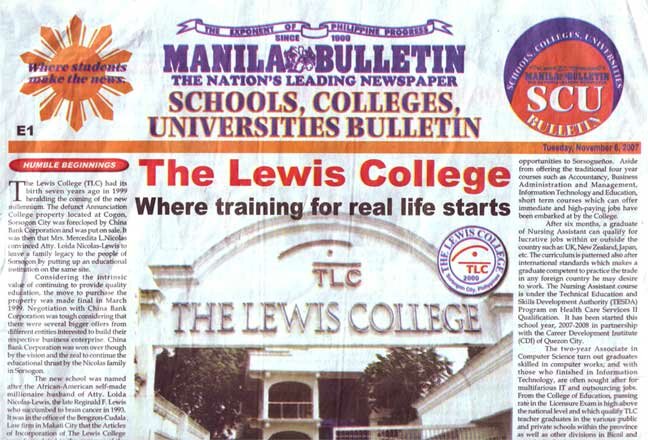 National daily Manila Bulletin featured The Lewis College on the front of their Schools, Colleges and Universities Bulletin section (E1), To see the online version of this article, click here (this opens a new window/tab).